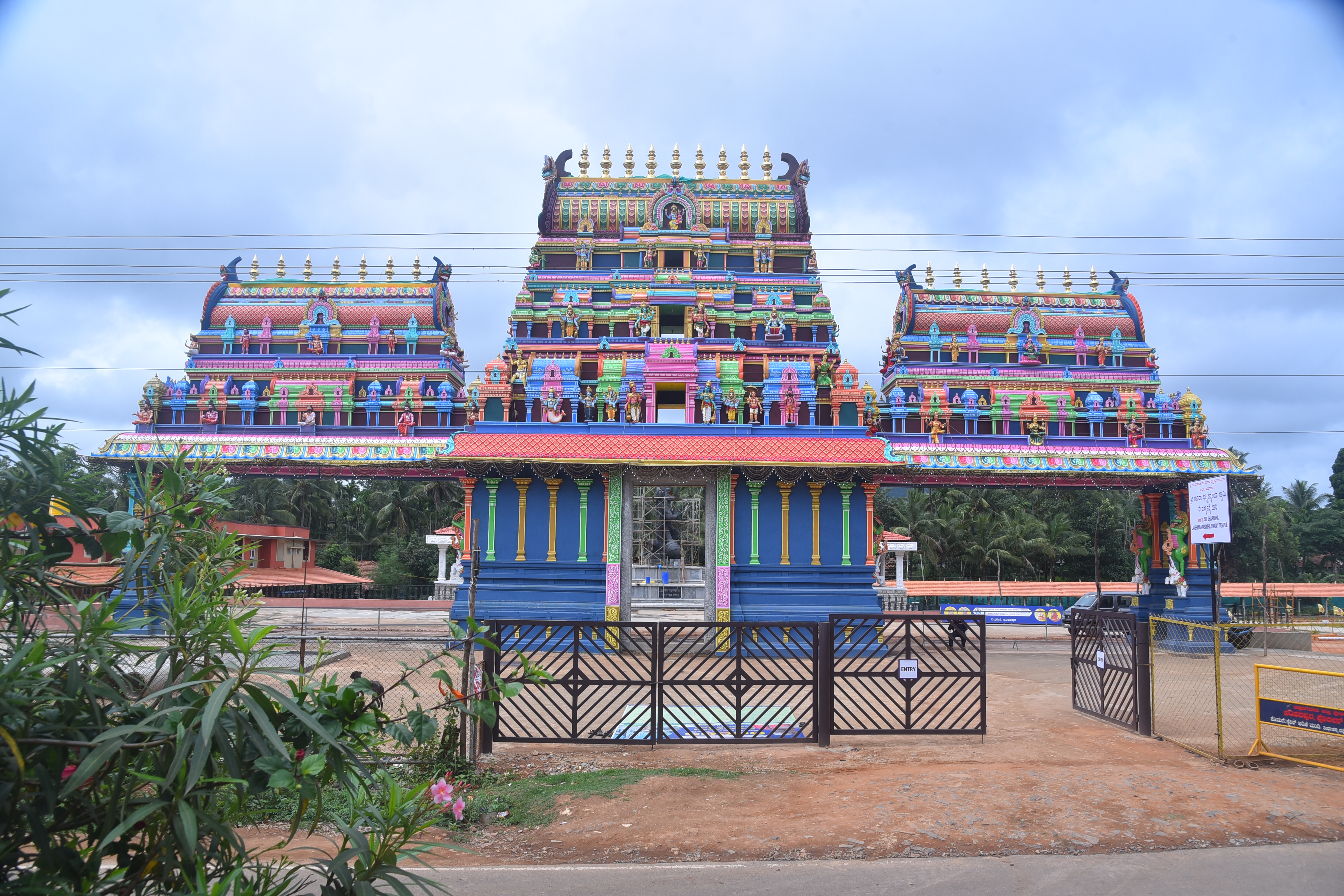
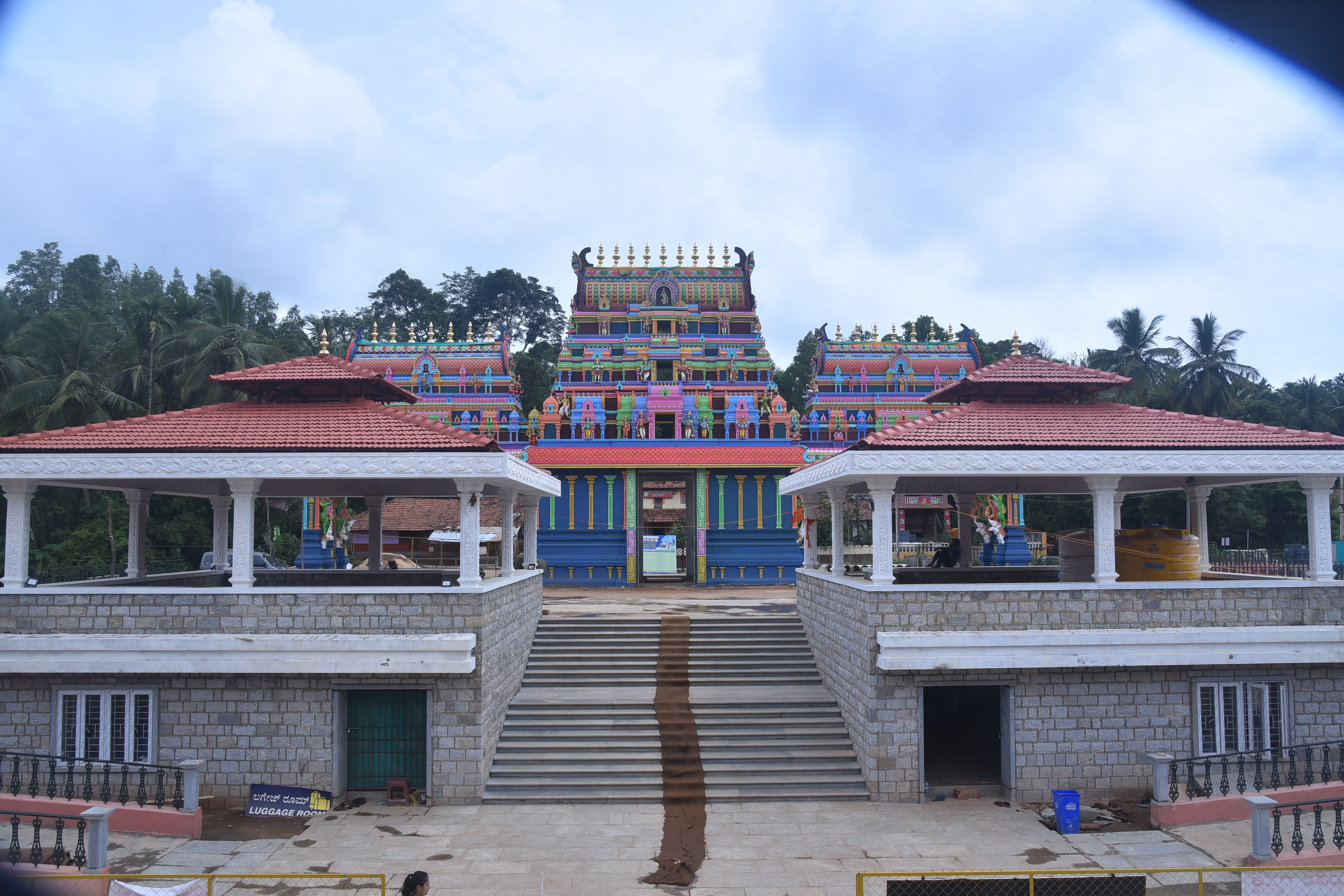

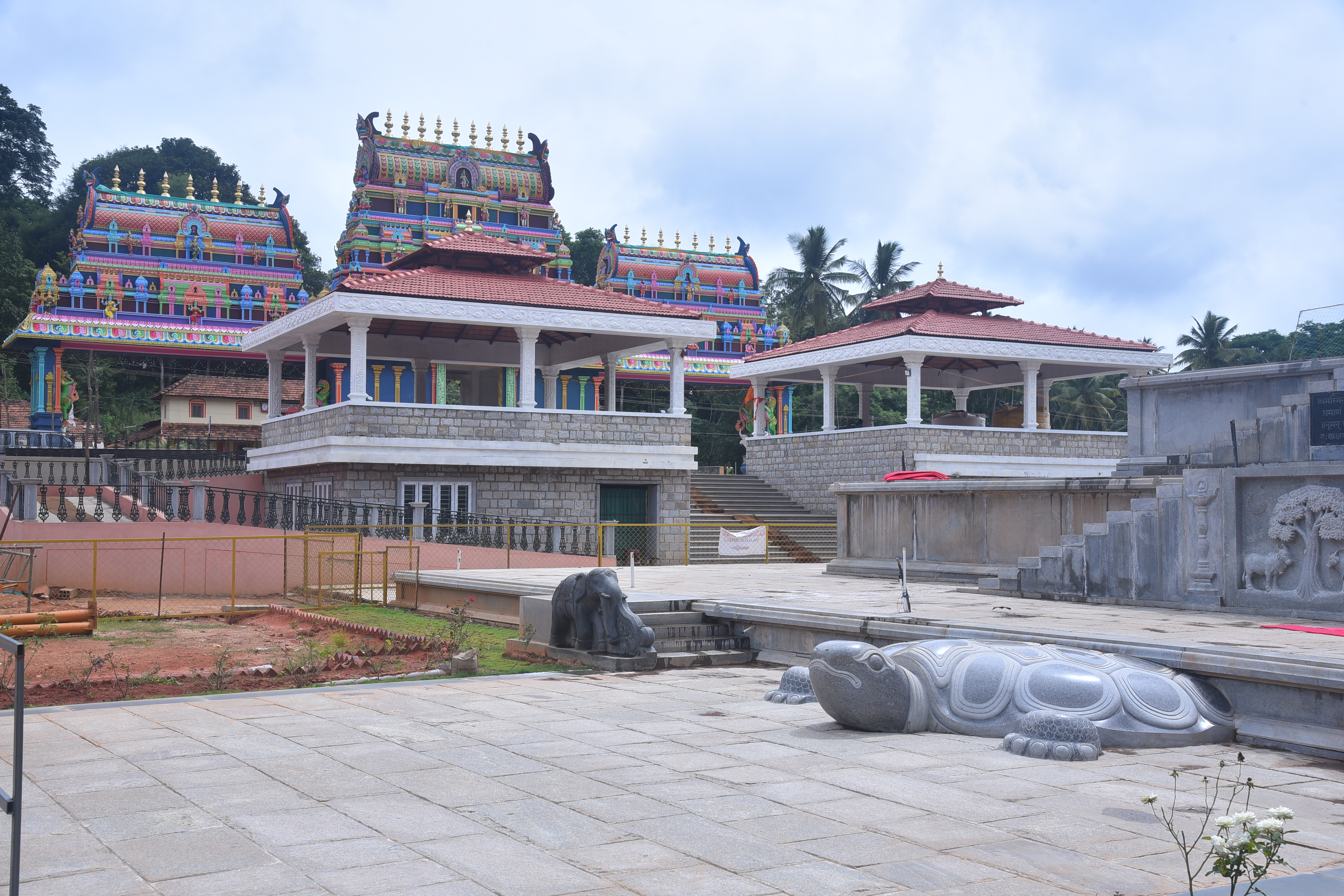
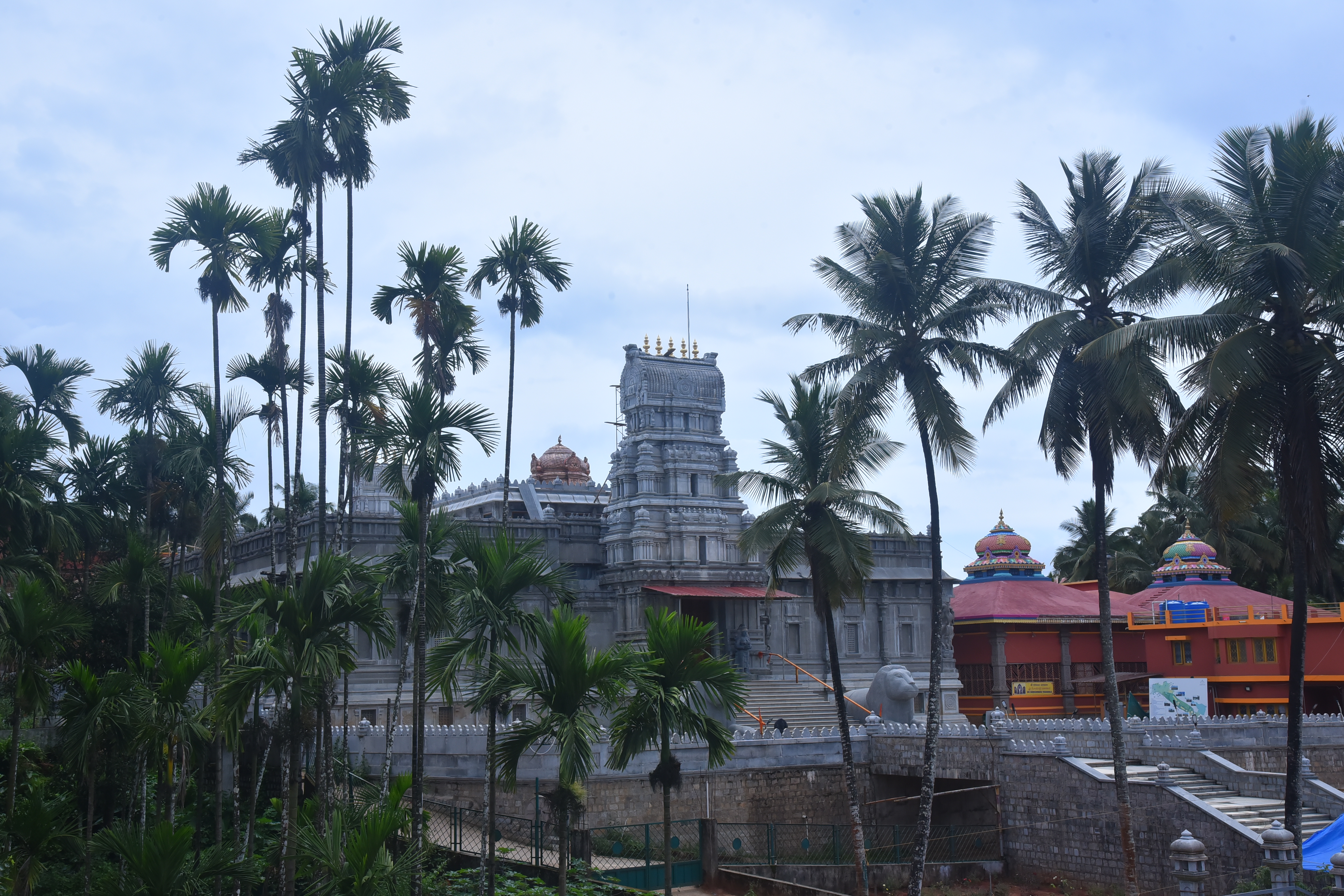
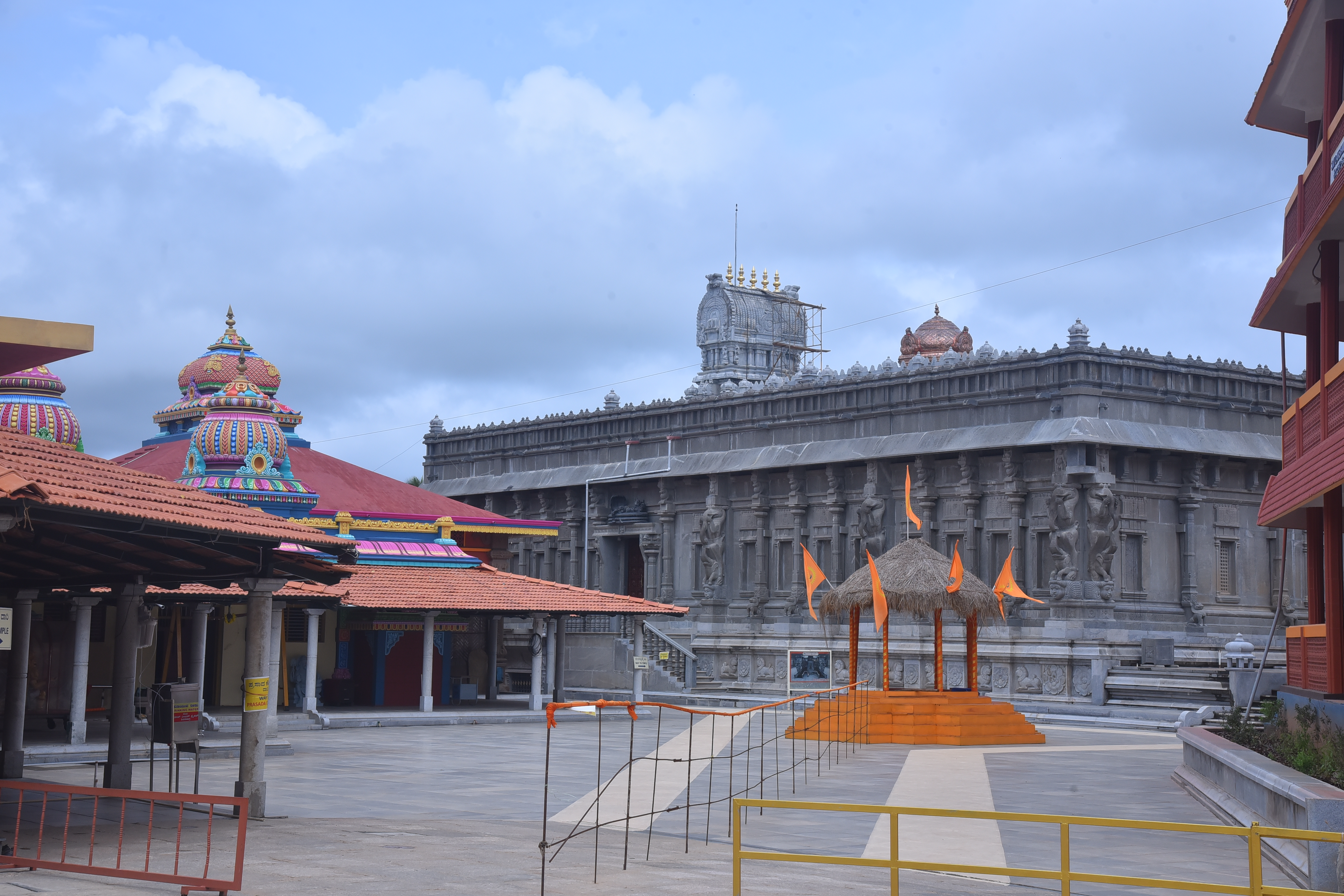
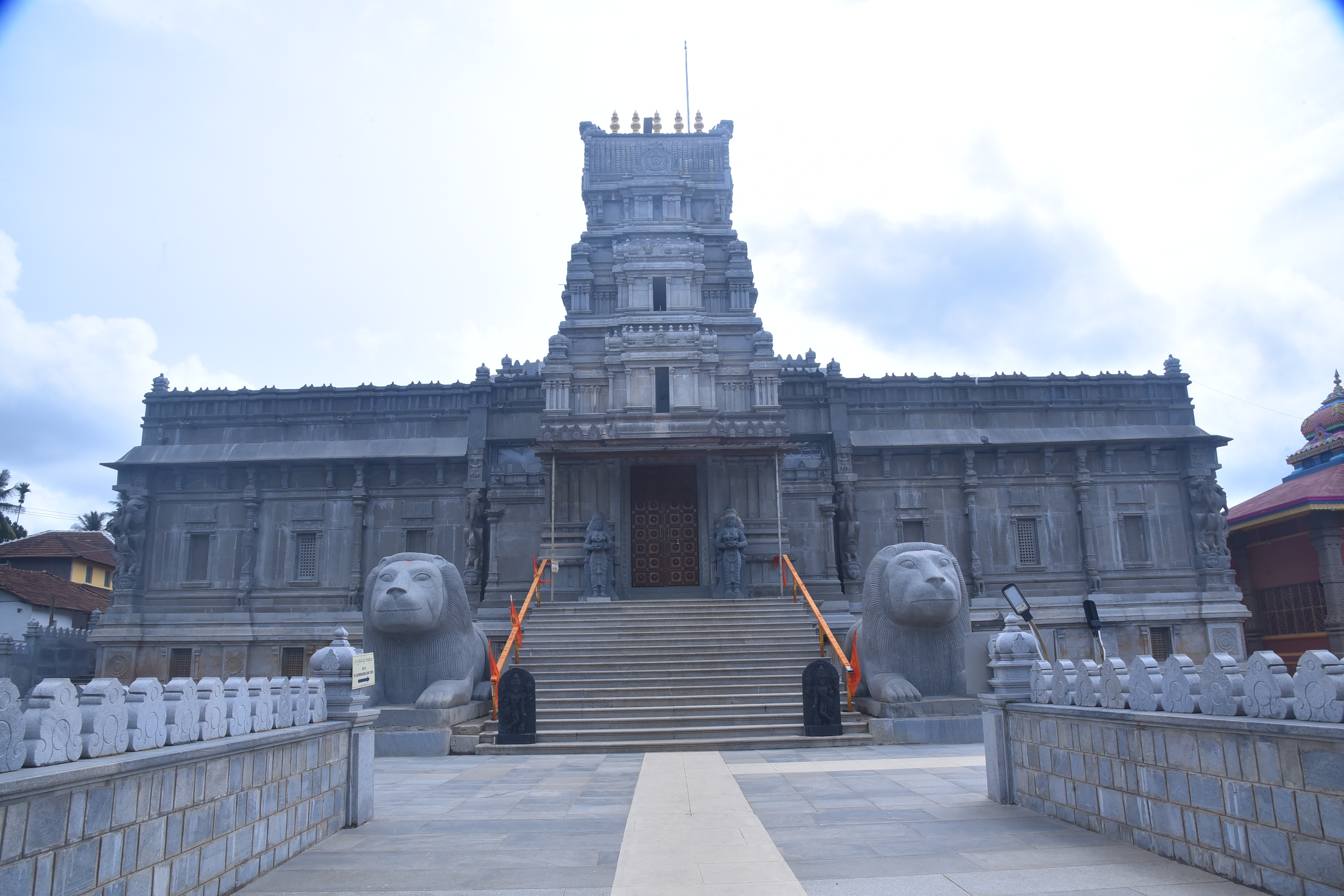
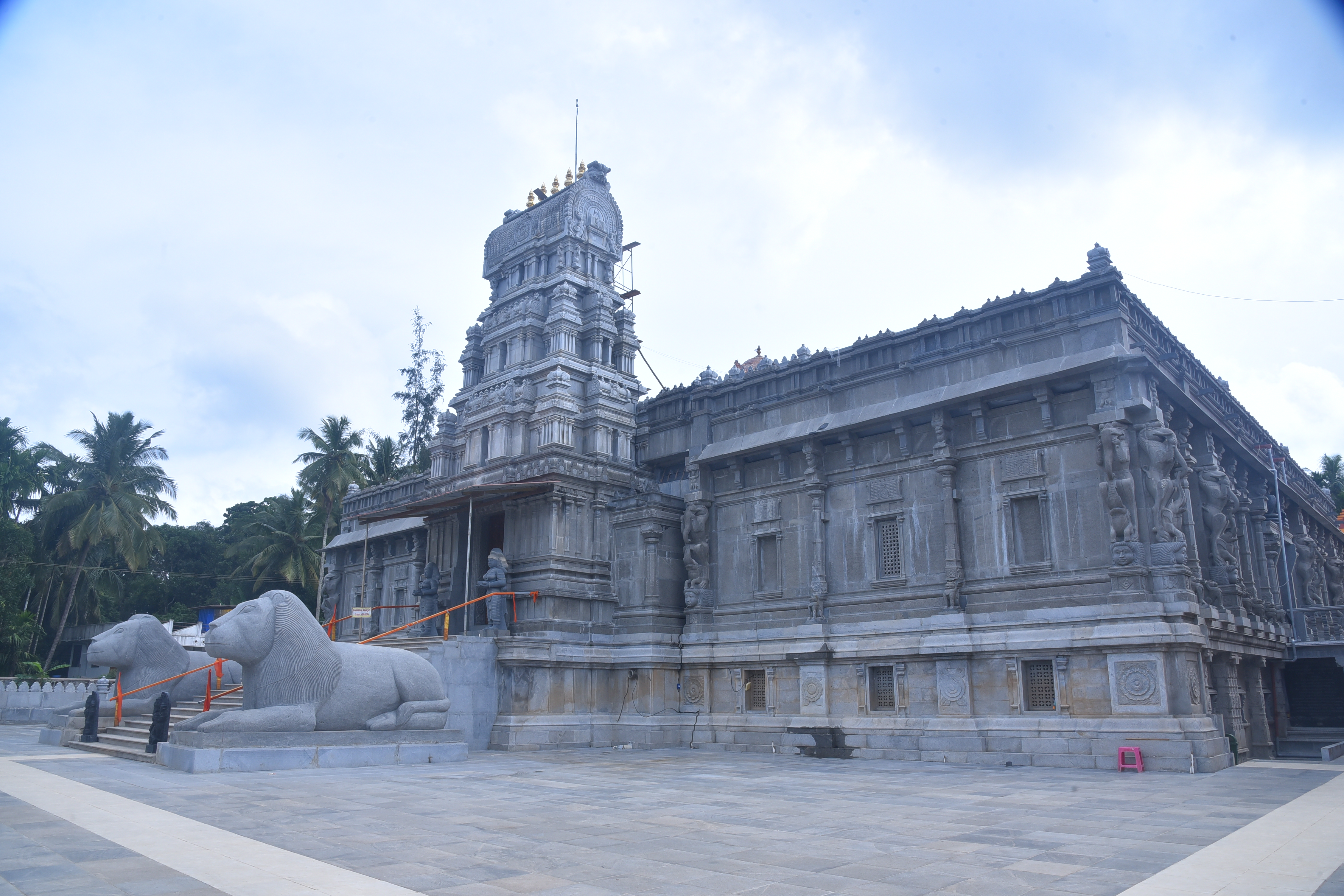
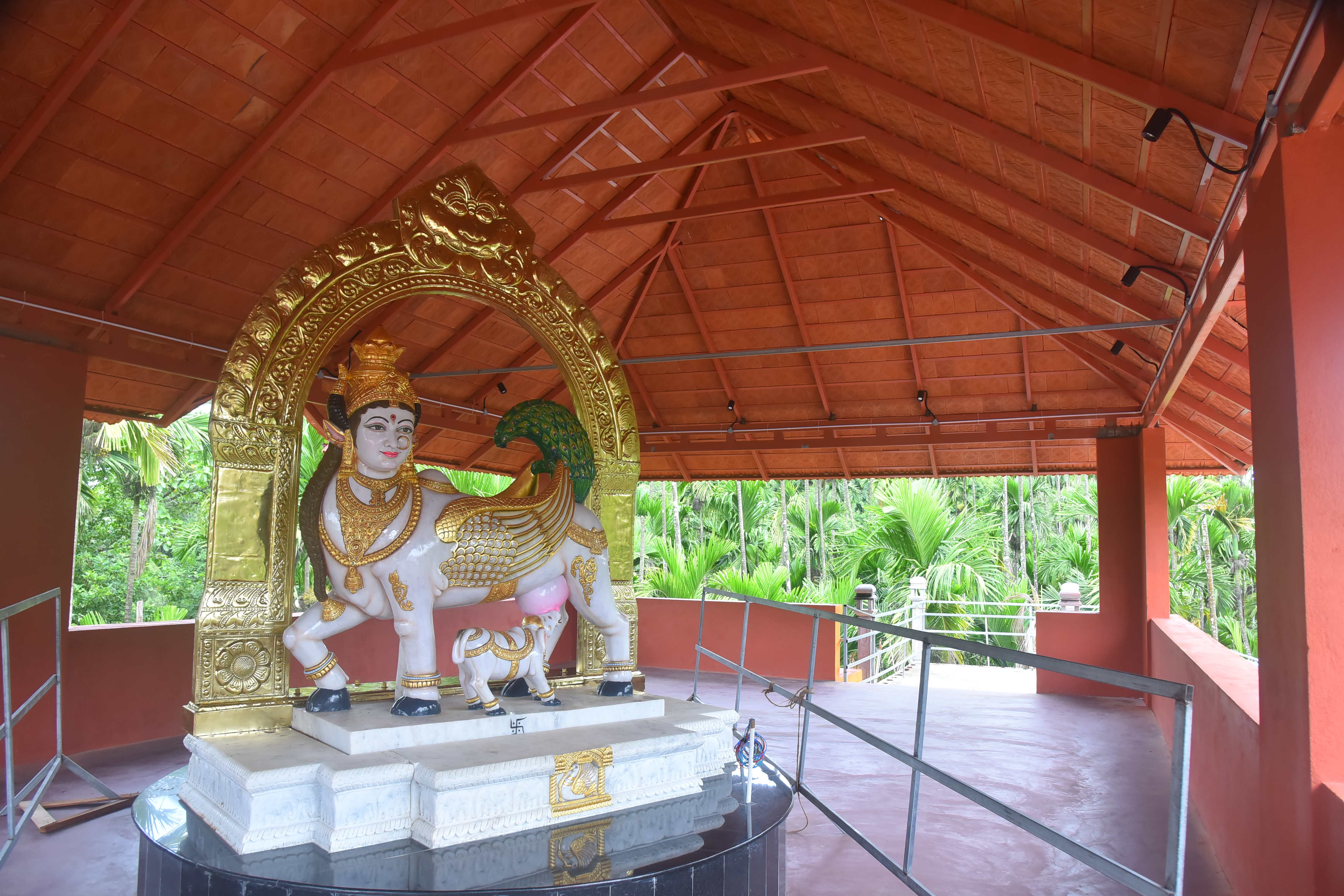
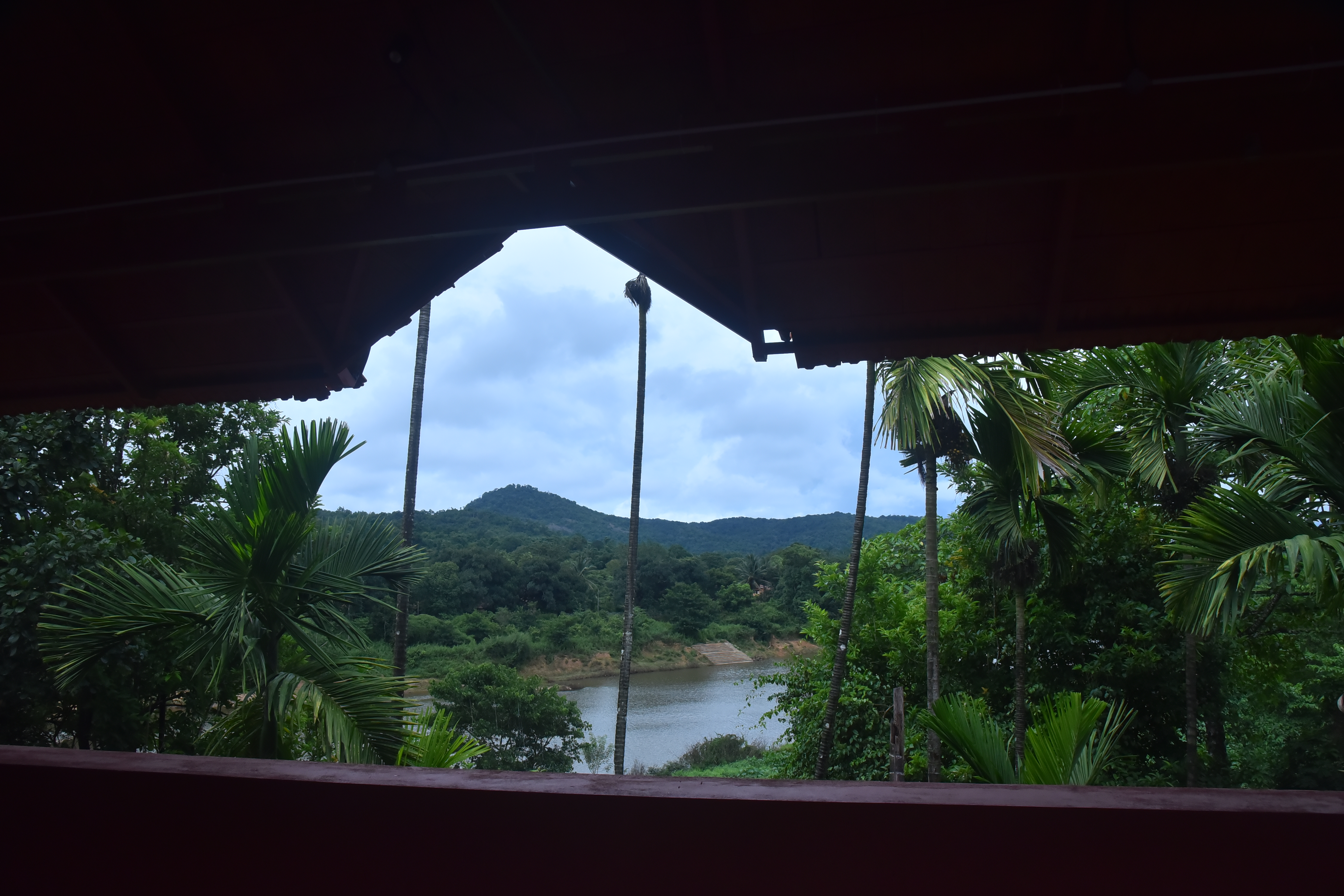

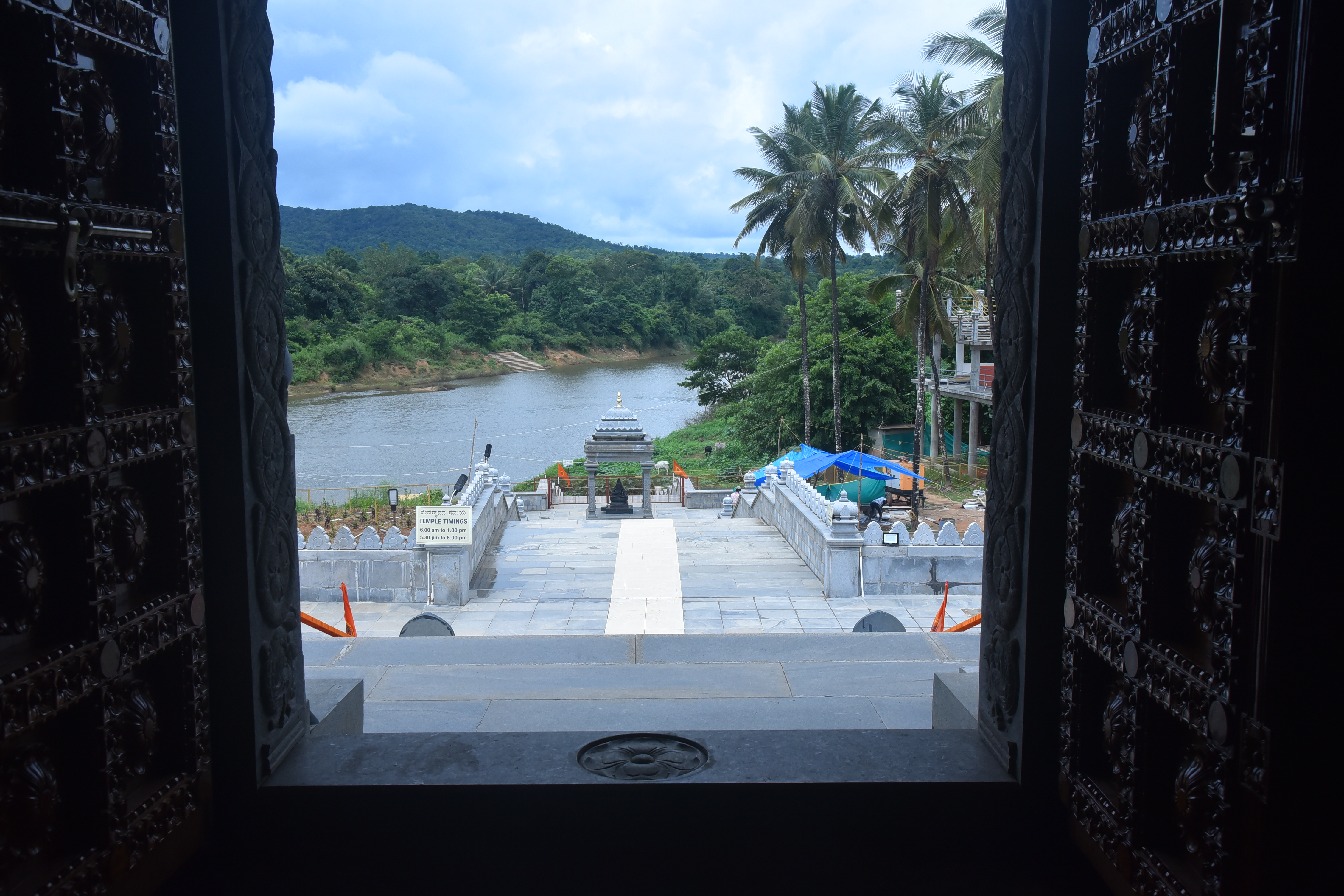
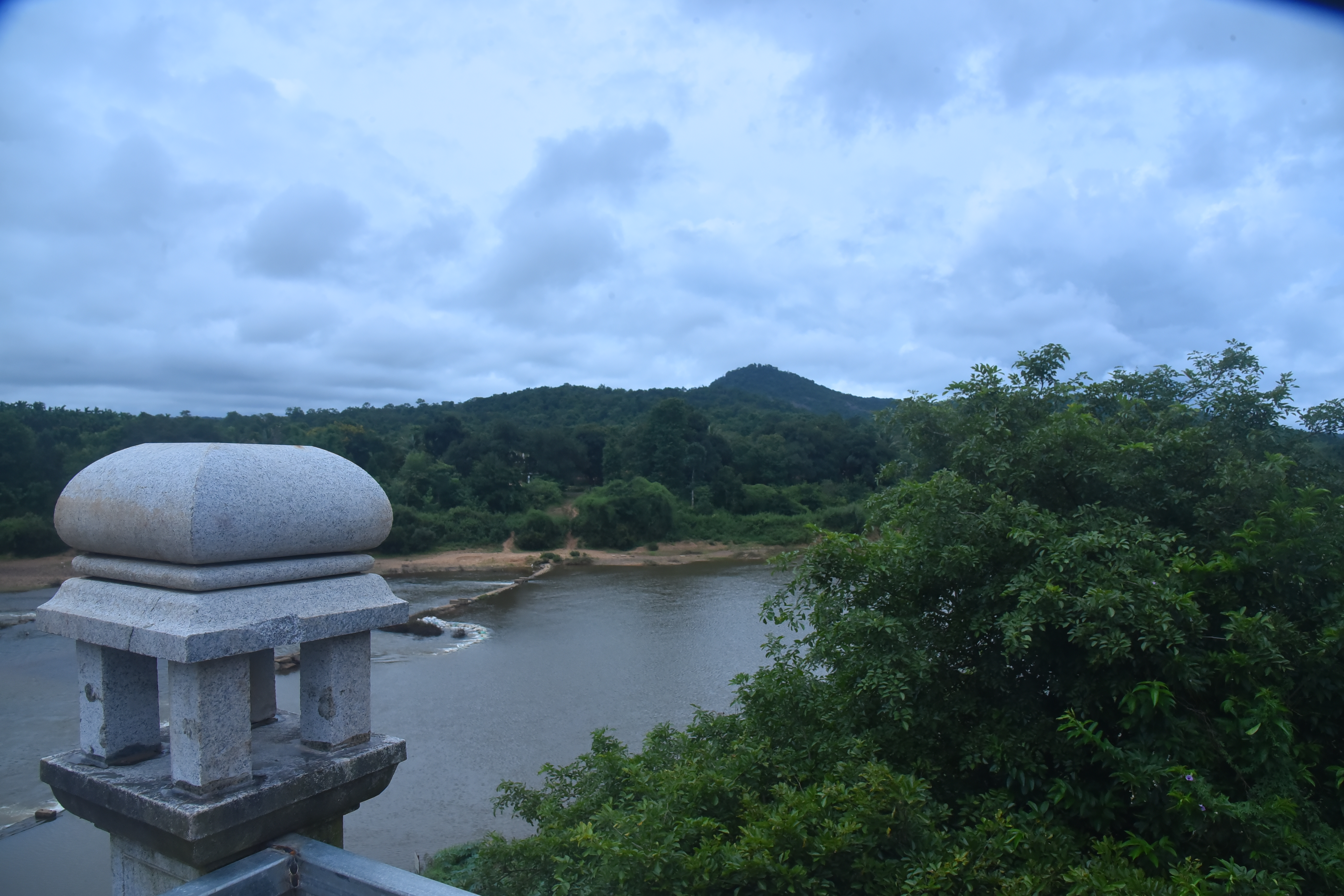
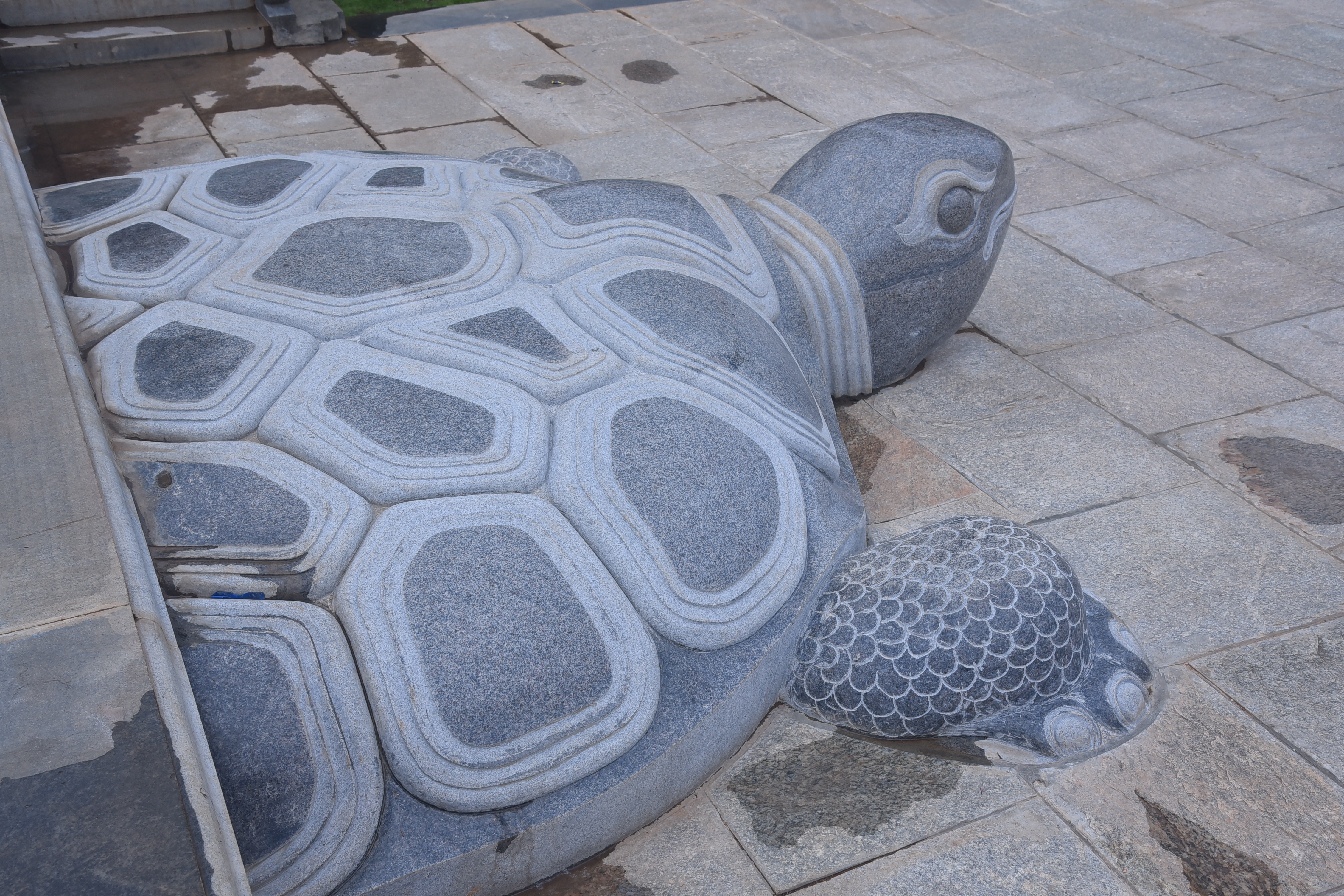
According to the agama shastras, the northern direction is auspicious for success in spiritual practices, and the river Tunga majestically flows northward as Uttaravahini here. Hence, this place is also known as Siddakshetra. Taking a sojourn to Divyakshetra Hariharapura and performing homa, japa, meditation, or any kind of worship or sadhana is considered very auspicious and known to grant manifold benefits
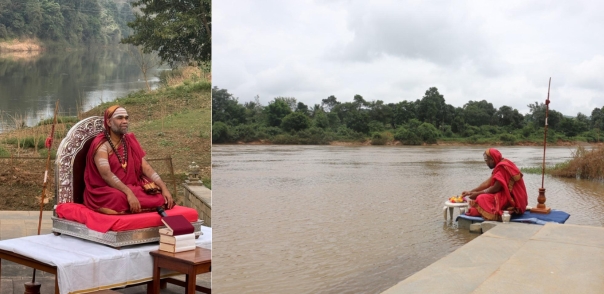
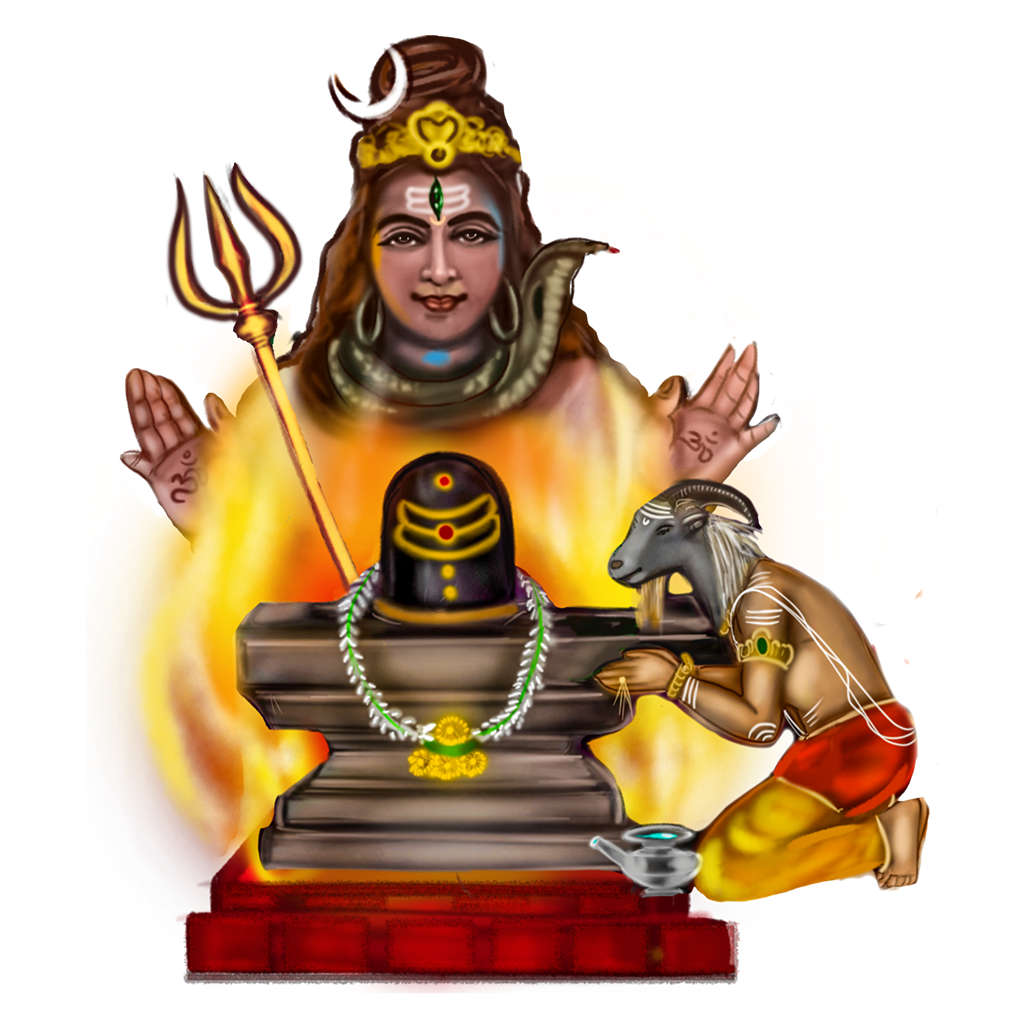
The sacred region, now known as Dakshashrama, is steeped in divine history. As per Skaanda Purana in Sahyadri Khanda, it was here that Shri Daksha Prajapati conducted the monumental Maha Yagna. During this grand sacrifice, Sri Dakshahara Someshwara emerged directly from the holy Yagna Kunda.
This divine manifestation is a testament to the Lord’s profound compassion and the re-establishment of cosmic harmony, achieved through Daksha's rigorous penance and unwavering devotion. The powerful spiritual vibrations from this sacred event are believed to resonate in this land even today, imbuing it with immense spiritual energy and sanctity.
In commemoration of the divine Yagna performed on this site, it became renowned as Yagabhoomi, or the "Land of the Sacred Sacrifice." Devotees continue to believe that worship at this Kshetra bestows spiritual merit, mental purity, and the blessings of Lord Someshwara, who dispels ego and ignorance.
The ancient temple of Swayambhu Sri DakshaHara Someshawara at Divyakshetra Hariharapura, is a testimony to this puranic legend and is worshipped to this day.
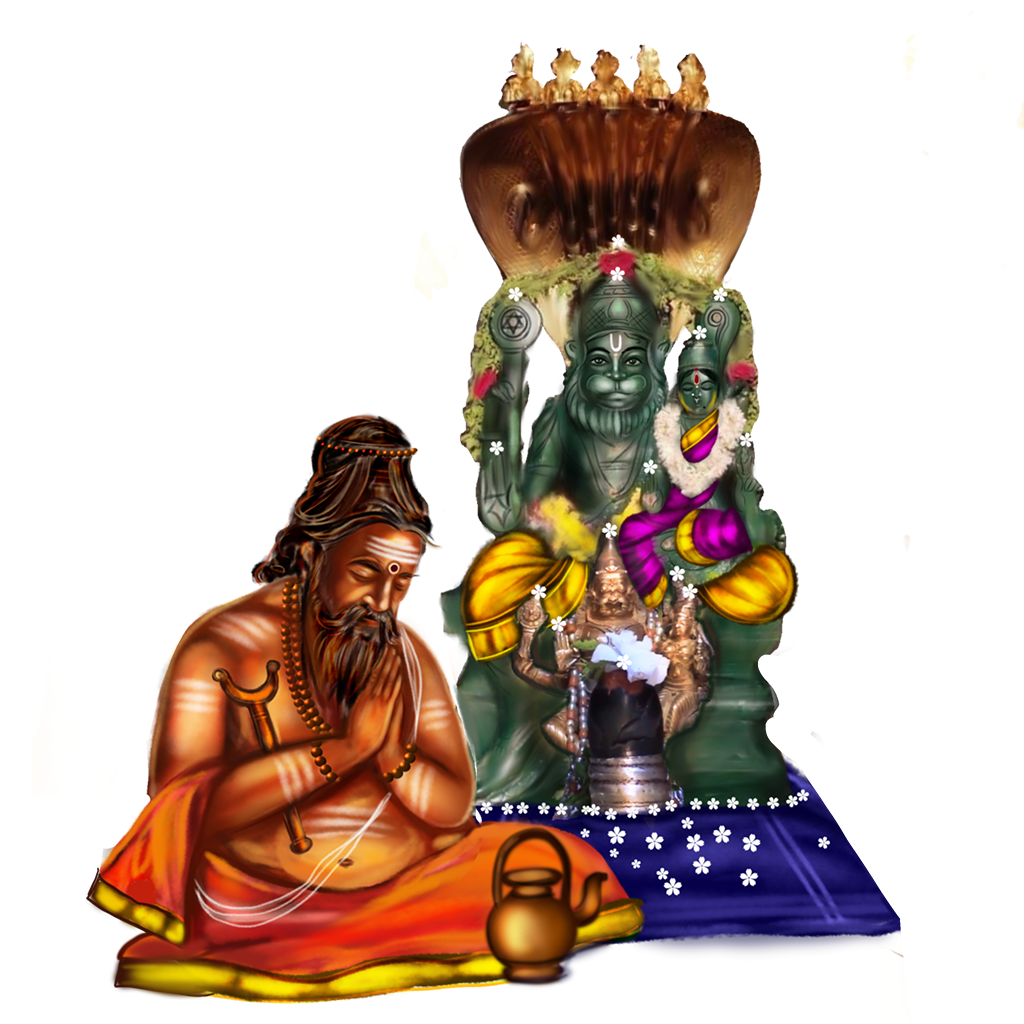
Mahatapaswi Sri Agastya Maharishi, performed severe penance and had the divine darshan of Sri Lakshmi Narasimha Swamy. Inspired by the tapas-siddhi of Sri Agastya Mahrishi, and with the direct appearance of Sri Lakshmi Narasimha, this place is known as Tapobhoomi.
The Lakshmi Narasimha saligrama and vigraha worshiped by Sri Agastya Maharishi is still enshrined and worshiped at the temple to this day.
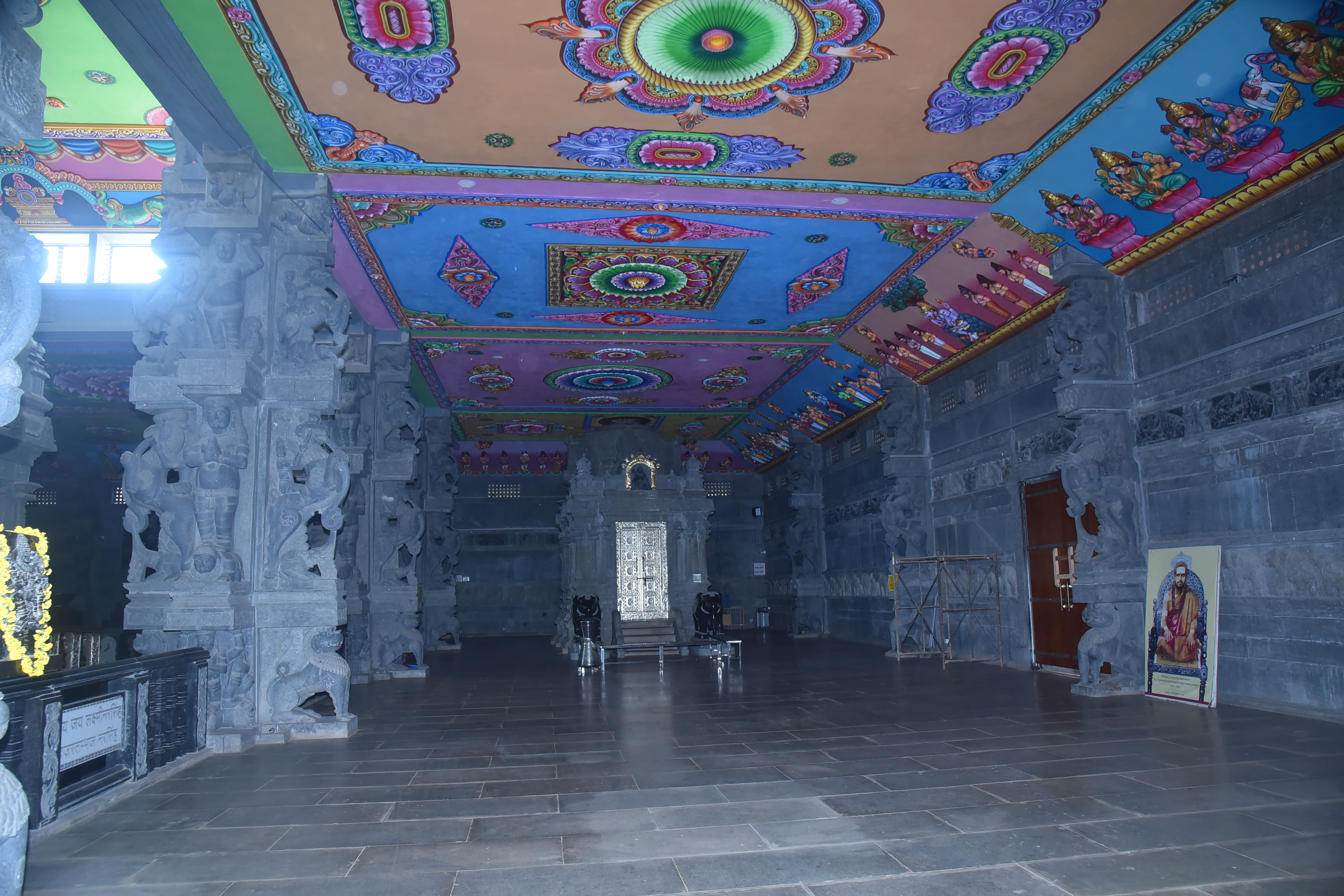
This unique temple houses 2 sanctum sanctorums of Sri Lakshmi Narasimha. The lower Sanctom Sanctorum houses the 32-feet Lakshmi-Narasimha Mahayantra in the form of a pillar known as Vajrasthamba. Atop, at the bindu-staana of the powerful vajrasthamba resides the auspicious Laskhmi Narasimha Swamy idol carved out of Margatha stone. As expounded in our scriptures, "Sthambhavat Drishyate Harih", Lord Sri Lakshmi Narasimha Swamy in his most benevolent and auspicious form, dwells gloriously atop the vajrasthamba yantra as poorna chaitanya murthy.
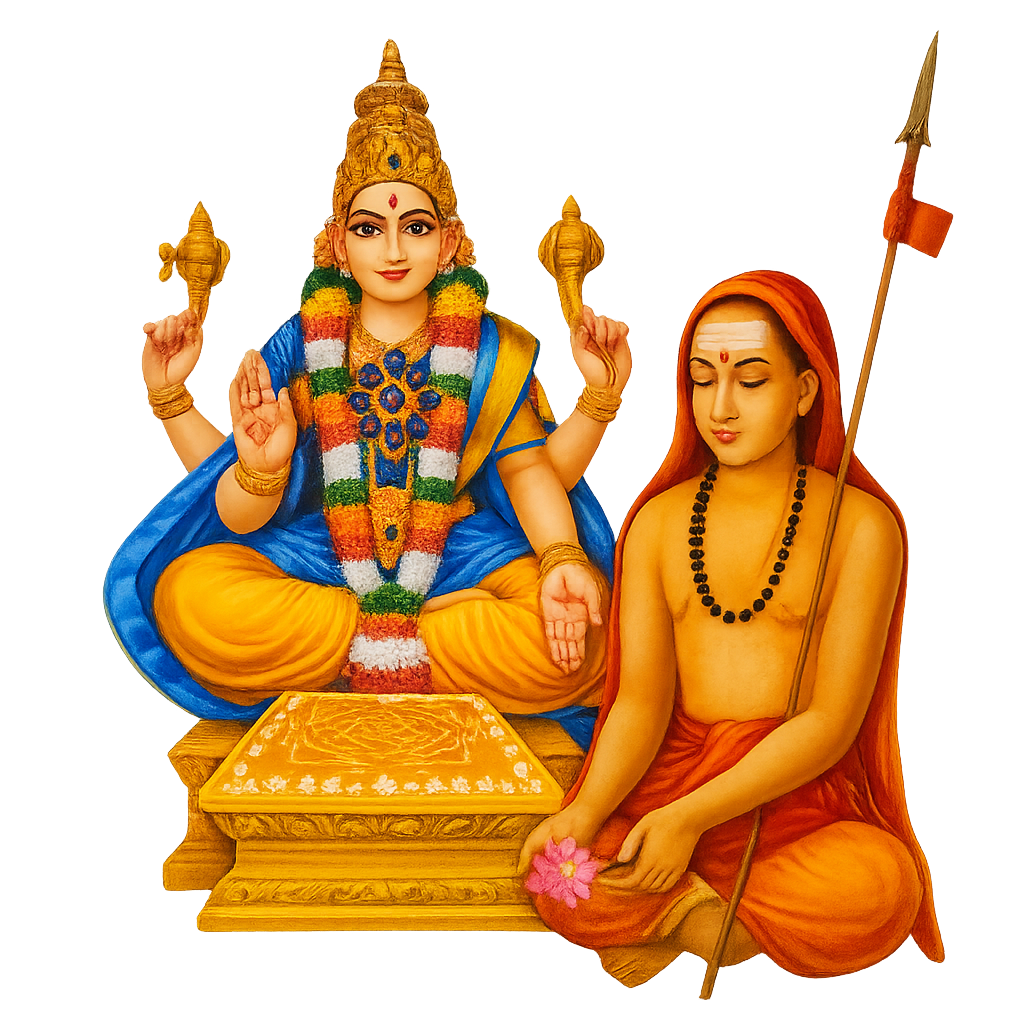
This sacred land holds the divine footprints of Jagadguru Adi Shankaracharya Bhagavatpada, the great spiritual reformer and propagator of Sanatana Dharma. During His holy travels across the Bharata Desha to revive Vedic wisdom and establish the supremacy of Advaita Siddhanta, Adi Shankaracharya visited this very region and recognized its immense spiritual potency.
Here, the revered Acharya installed the sacred Sri Chakra Yantra—the most powerful symbol of the Divine Mother’s energy—thereby invoking the blessings of Goddess Sri Sharada Parameshwari, the embodiment of supreme knowledge, compassion, and divine power. Through His spiritual vision and divine consecration (Pratishta), this land was transformed into a radiant center of Jnana (wisdom) and Bhakti (devotion).
It was at this very place that Adi Shankaracharya bestowed Mantra Deeksha upon Sri Swayamprakasha Krishna Yogeendra Mahaswamiji, who later became the first Peethadipathi (Pontiff) of this sacred Dharmapeetham. From that moment onward, the divine lineage of enlightened Gurus continued, preserving and spreading the eternal light of Advaita Vedanta and the worship of Sri Sharada Parameshwari for generations to come.
From that divine moment onward, the illustrious lineage of the Guru Parampara—beginning with the blessings of Jagadguru Adi Shankaracharya Bhagavatpada and the sacred initiation of Sri Swayamprakasha Krishna Yogeendra Mahaswamiji—has continued unbroken through the ages. Each Peethadipathi of this Dharmapeetham has carried forward the radiant light of Jnana (spiritual wisdom), Bhakti (devotion), and Dharma (righteousness), guiding countless seekers on the path of truth and liberation.
Through their divine presence, selfless service, and profound teachings, the Guru Parampara has nourished this sacred land with the essence of Vedic knowledge and Advaitic realization. The spiritual vibrations established by their penance, prayers, and blessings continue to fill this region with divine energy and serenity.
Thus, this Divya Kshetra of Divyakshetra Hariharapura came to be revered as Jnanabhoomi—the “Land of Divine Wisdom.” It stands as a shining beacon of spiritual heritage, where Jnana, Bhakti, and Seva harmoniously unite, inspiring generations to walk the path of enlightenment and eternal truth.
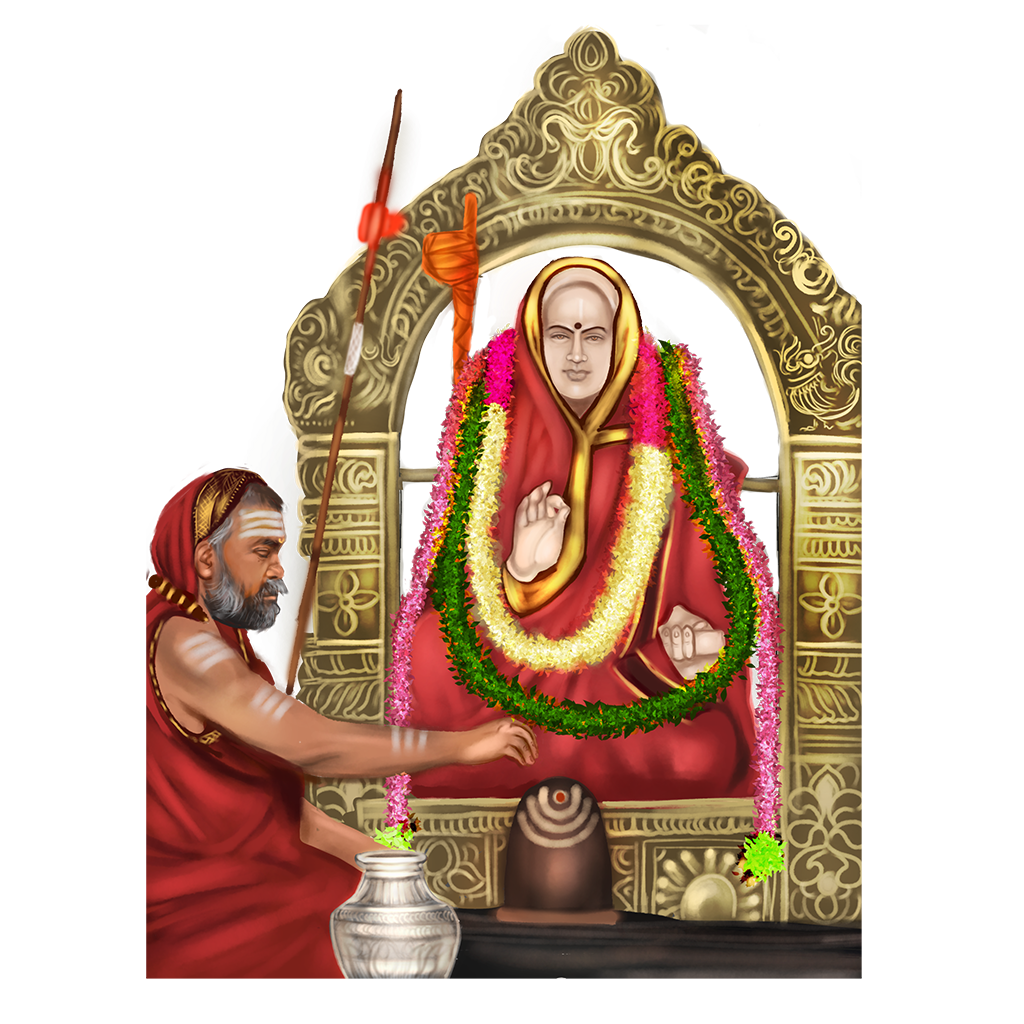
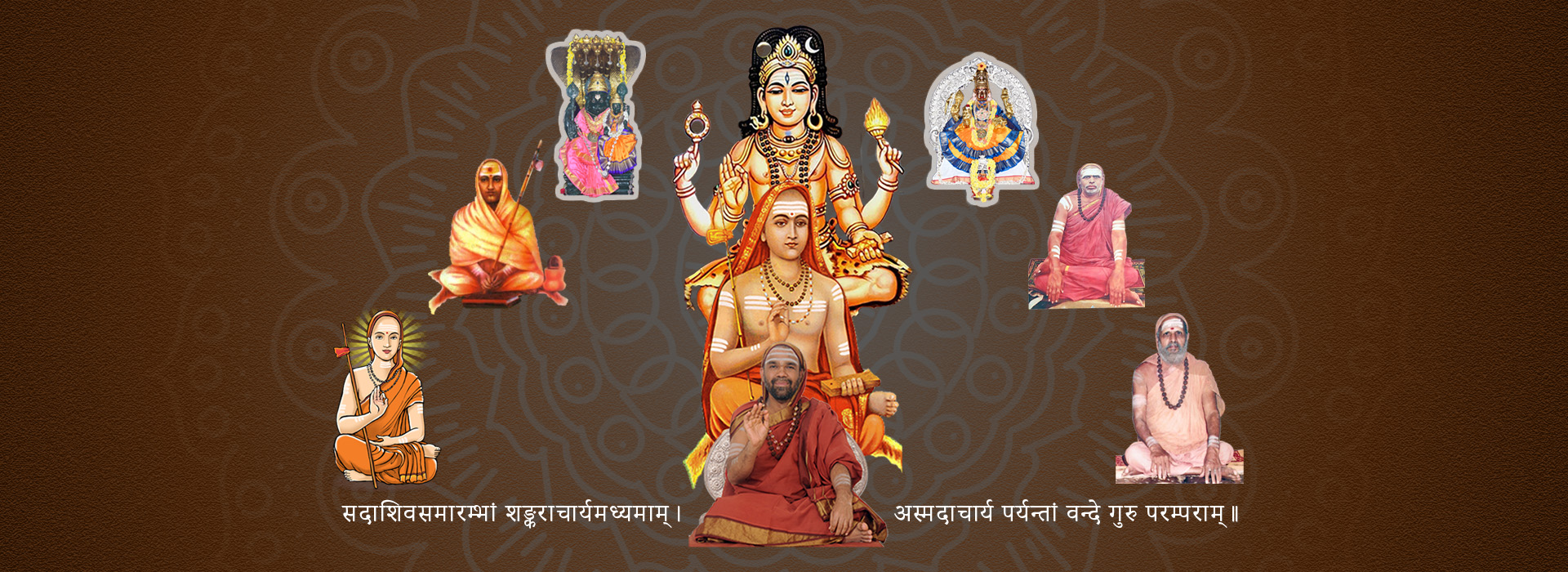
"We worship Lord Nṛsiṃha , who is comprehended through the teachings of the Vedas and Vedānta, the Supreme Teacher of the universe, who is the cause for the complete destruction of the vast and terrible cycle of worldly existence (saṃsāra)."
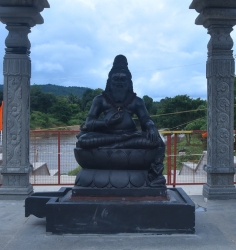
"I bow down to the great Sage Agastya , the foremost among the devotees of Lord Nṛsiṃha, who, by performing intense penance in the hermitage of Dakṣa, realized Lord Hari directly."
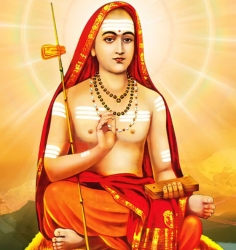
"I bow down to Bhagavatpāda Śaṅkara — the abode of the Śruti (Vedas), Smṛti, and Purāṇas, the very embodiment of compassion, and the one who brings auspiciousness to the entire world."

"I bow to the noble Guru Sureśvara — the true disciple of Śrī Śaṅkarācārya, an ocean of wisdom, steadfast and composed, the supreme knower of Dharma and Brahman."

"Born in the land of Saurāṣṭra and later arriving at the hermitage of Dakṣa, they performed intense austerities on the banks of the river Tuṅgā and were initiated by Ādi Śaṅkarācārya. Among them, the most radiant and exalted was Śrī Kṛṣṇa Yogīndra , ever engaged in mentoring disciples. To that venerable teacher, I bow down with humility."
"I worship that Sadguru, Śrī Rāmānanda Yatīśvara — the worthy recipient of Devi Śāradā’s grace and compassion, the divine master from Puṅganūru."
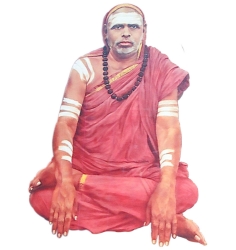
"I adore my Guru, Śrī Rāmānanda — the ever-youthful master of Hariharapura, who is deeply devoted to the worship of the sacred Śrīcakra."
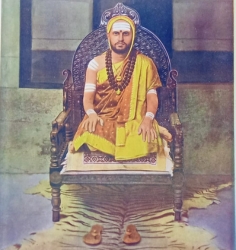
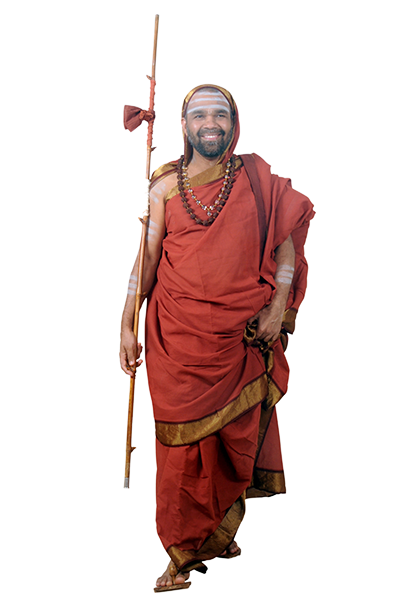
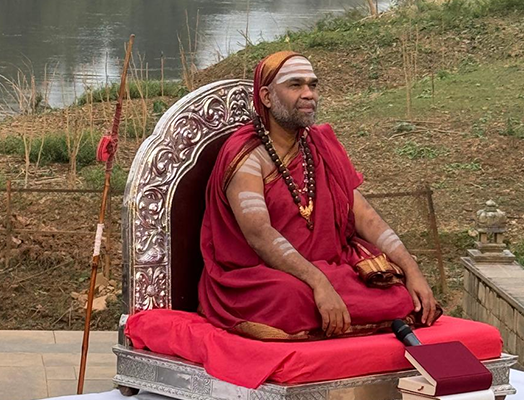
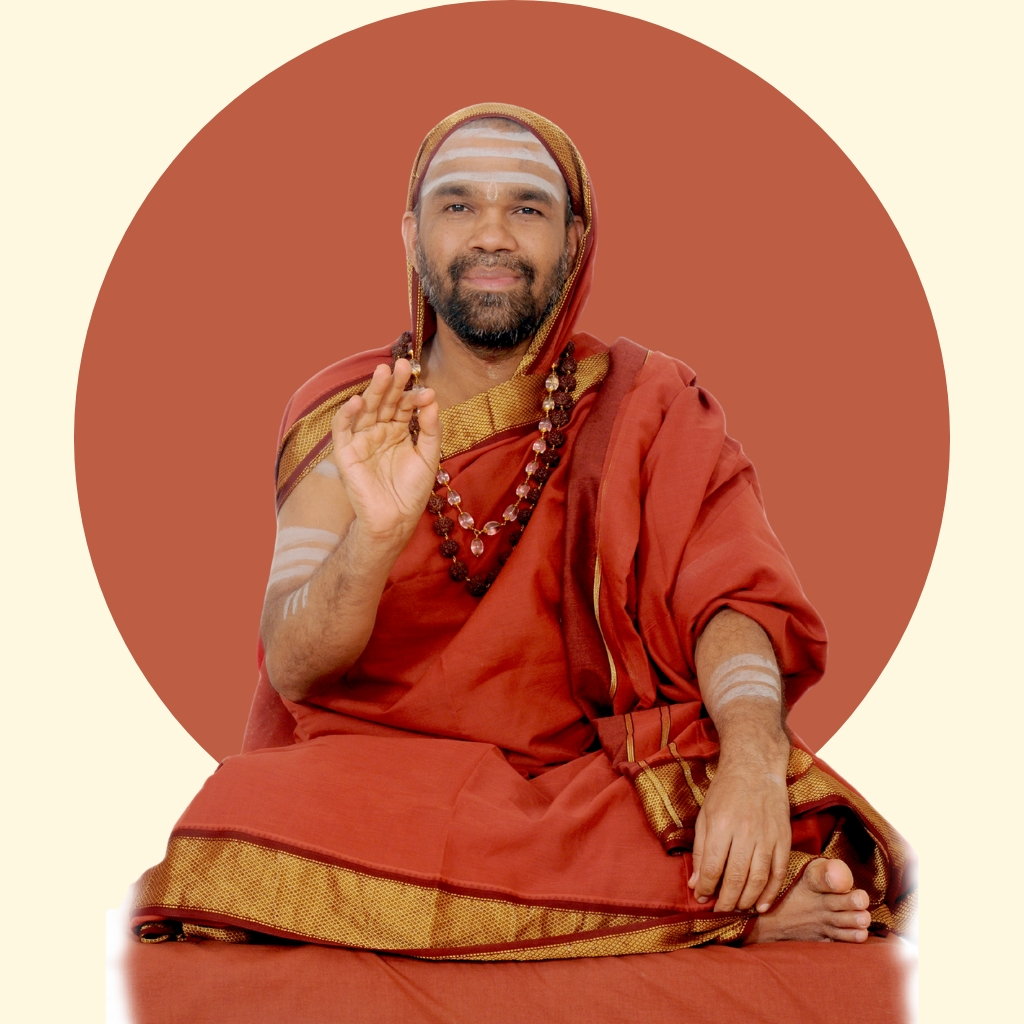
Anantha Sri Vibushita Jagadguru Shankaracharya Parama Pujya Sri Sri Swayamprakasha Sachidananda Saraswati Mahaswamiji is the present Peethadipati of this esteemed Dharma Peetham. Mahaswamiji has transformed the ancient mutt into a magnificent temple. This unique temple houses 2 Sanctum Sanctorum (Garbha Grihas) of Sri Lakshmi Narasimha. The lower Sanctum Sanctorum houses a 32-feet Lakshmi-Narasimha Mahayantra in the form of a pillar known as Vajrasthamba. Atop at the Bindu-staana of the powerful Vajrasthamba enshrines the auspicious Lakshmi Narasimha Swamy, meticulously carved from Maragatha stone.
Mahaswamiji has initiated countless devotees into Shiva Deeksha, emphasizing the principles of "All are one," "All are equal," and "All are divine." He embodies a unique blend of austerity and unconditional love, guiding numerous devotees. His mission is to inspire people towards devotion to God and our Motherland, Bharath.

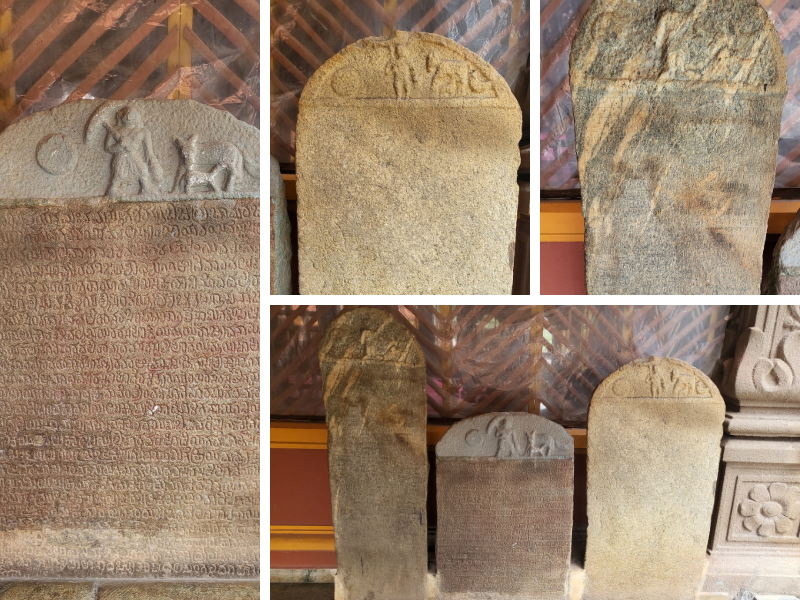
Historic sources mention Divyakshetra Hariharapura to have been an Agrahara ruled by Harihara Maharaya, the second ruler of the Vijayanagara Empire. As per the 14th Century inscriptions, the place was renovated by the Maharaya and was named after him. Harihara Maharaya and the other Rulers.
‘ From the inscriptions at the place, it appears to have been an Agrahara established in 1418 by Sambanna Wodeyar in the reign of King Harihararaya of Vijayanagara kingdom and later named after him. The religious establishment at Sringeri was intimately connected with the foundation Vijayanagar empire. And King Harihararaaya, one of the brothers from whom the Royal line had descended, gave his name to the Agrahara of Hariharapura’.